Fire warden training beings in that group of safety and security jobs that just proves its worth on the most awful day of the year. When something smokes, alarm systems cause, and individuals wait, the building searches for its wardens. If they are trained and exercised, an organized discharge and a quick reset adhere to. If they are not, minutes slide by, the wrong stairwell fills up, and tiny dangers snowball right into pricey cases. I have actually seen both results. The difference is never luck. It is routine, clearness, and the ideal training.
This guide explains exactly how commonly training is called for, what proficient programs cover, and which duties you need to assign. It likewise clarifies the units of expertise that form most Australian programs, consisting of PUAFER005 Operate as part of an emergency control organisation and PUAFER006 Lead an emergency control organisation, and how those training courses convert into useful efficiency on the floor.

What a warden does when it counts
Fires in workplaces hardly ever begin with flames in the entrance hall. They start with a soft scent of warm plastic in a comms area, a toaster that does not shut down, or a mobile heating system put under a desk. The first responder could be an assistant with a great nose, not a fireman. Your wardens are the bridge in between the moment of uncertainty and the arrival of the fire solution. They confirm alarm systems, shepherd people far from risks, manage details, and make decisions in those early mins. They do not take dangers that firefighters possess. They make sure people are secure and accounted for.
In a multi storey workplace, I watched a deputy floor warden who had done her warden course two weeks prior hold a whole fly location while smoke gotten rid of from a printer meltdown. No person used the lift. No person went back for bags. The chief warden made the phone call to leave two floors while isolating power to the influenced tool. The structure was back in operation before lunch. The reason: every person recognized their duty, and the wardens had actually practiced interaction and movement.
Who requires fire warden training
Every workplace that suits more than a handful of individuals should choose wardens. The particular number relies on design, head count, threat account, and hours of operation. A rule of thumb that functions well in practice: at least one warden for every defined location or tenancy level, plus replacements to cover leave and shift adjustments. In bigger sites or high threat centers, you could have market wardens for plant areas, laboratories, or production lines.
Many employers ask, do contractors, volunteers, or crossbreed employees need training? The response is much less concerning pay-roll standing and more concerning visibility and obligation. If somebody consistently occupies the website and could be trusted to guide individuals throughout an emergency situation, they belong in the warden group. For multi renter buildings, tenants Find out more appoint wardens for their room, and the building manager works with a building-level Emergency Control Organisation, or ECO, throughout all occupants.
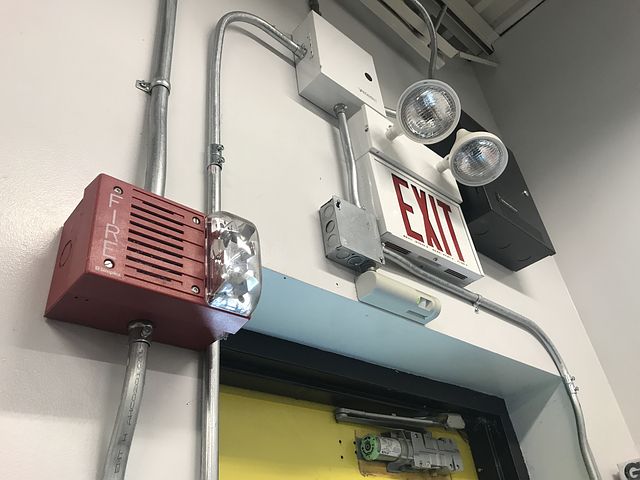
Some duties are official. The chief warden rests at the top, typically in the building or website control room throughout an emergency, sustained by communications officers and floor or location wardens. In colleges, medical facilities, and aged care, shift-based wardens cover nights and weekend breaks with customized procedures for individuals or students.
When you can not staff a full team, prioritize those with solid interaction skills, calm under pressure, and the authority to reroute people. Training can construct self-confidence, but character matters.
The training landscape: PUAFER005 and PUAFER006
In Australia, two nationally acknowledged devices specify the core ability. PUAFER005 Operate as part of an emergency control organisation is the foundation for wardens. It covers the framework and feature of an ECO, alarm, evacuation courses, warden identification, use of fire tools where risk-free, and people movement. A puafer005 course must include functional drills, radio usage, and basic decision-making. This is the level for wardens that lead their locations yet do not established total strategy.
PUAFER006 Lead an emergency control organisation is the chief-level device. The puafer006 course instructs management of the ECO, how to interpret dynamic circumstances, control interactions, liaise with emergency situation services, and decide on partial or complete emptyings. It goes deeper on danger, sources, and command. Where PUAFER005 examinations whether you can carry out a job sheet in a passage loaded with individuals, PUAFER006 tests whether you can establish the task sheet for 10 wardens throughout five floorings during a sprinkler activation and a handicapped lift.

Neither system turns wardens into firemans, and good fitness instructors are clear concerning that. The focus is on life safety and security, orderly movement, and coordination.
Fire warden training needs in practice
The law asks employers to provide information, training, and direction to guarantee health and safety, and Australian Conventional AS 3745 gives functional assistance for centers. Throughout jurisdictions and industries, the functional expectation has worked out into a rhythm that operates in many workplaces.
Induction for new wardens comes first. That includes a warden course for their duty, either PUAFER005 or PUAFER006, or an equivalent program mapped to those proficiencies. After that, refresher training is not a one dimension fits all schedule. For lots of offices and schools, yearly refresher course training for wardens keeps abilities sharp without straining schedules. In higher threat settings, six month-to-month refresher courses for key wardens are reasonable. If you have several new starters or have actually remodelled your room, squeeze in a refresher sooner.
Drills are separate from class training. Brief evacuation exercises, at the very least annually and ideally two times a year, test your treatments, interaction, and circulation. If your website runs in changes, each shift needs its own drill, not simply a weekday mid early morning practice. After any adjustment to alarm, floor layout, or protected paths, run a drill to validate that signage and routes make good sense on foot.
Competency must be shown, not simply discussed. That implies radios examined, chief warden hats pulled from the bag, doors evaluated, and wardens experimenting a fire covering on a cold training unit. Records issue. Maintain training logs, drill reports, and warden checklists with get in touch with details. Examiners and insurance providers seek evidence of competence, not just excellent intent.
What content a strong warden training covers
I search for five elements in a strong program. First, the strategy itself: wardens need to understand the Emergency situation Feedback Plan, where it lives, and just how it applies to their area. Second, individuals: who needs assistance, just how to designate an assistant or friend, and just how to keep people tranquil. Third, the place: egress stairways, setting up areas, door equipment that requires two hands or a trick, and any kind of chokepoints. 4th, the alarm systems and systems: tones, aesthetic signals, panel indicators, and the lessee's user interface with base structure systems. Fifth, the judgment calls: when a regional alarm warrants a phone call to the chief warden, when a little extinguisher attack is secure, and when to draw back.
Many puafer005 and puafer006 courses incorporate brief situations. For instance, a scent of smoke on level 12 with no noticeable fire. An occupant reports an individual with movement constraints on degree 7 that needs a discharge chair. The fire indicator panel reveals a mistake and afterwards turns to alarm during a storm. These small decisions, rehearsed in a secure space, settle later when adrenaline begins to antagonize memory.
Hats, vests, and identification: fire warden hat colour and more
Simple presence aids have real worth in a congested hallway. The tradition of hats or headgears warden course and high visibility vests exists for a factor. The fire warden hat colour is typically red for general wardens in many Australian work environments, while the chief warden hat colour is frequently white. Replacement or interactions duties might wear yellow or one more distinctive colour depending on the website. If your structure manager provides a common, follow it so lessees are lined up with base structure technique. The concern, what colour helmet does a chief warden wear, shows up in nearly every training. The quick solution in a lot of programs is white for the chief warden, yet validate at your website and see to it the recognition is readily available and saved where wardens can access it quickly.
Hats are not style. They cut through confusion. In one drill we ran for a hospital redevelopment, two contractors saw a white helmet in the atrium and naturally complied with instructions from that person. They did not talk English well, but the colour cue communicated authority.
The chief warden function, training, and responsibilities
If wardens take care of rooms and hallways, the chief warden handles time and room. The chief warden responsibilities include establishing control at the emergency control point, verifying the nature and location of the event, interacting with wardens by means of radio or phone, keeping a timeline of occasions, making the emptying telephone call, and liaising with emergency solutions and constructing management. The chief warden hat and vest help develop visibility, but the genuine authority originates from competence and communication.
Chief fire warden training maps to PUAFER006 Lead an emergency control organisation. A strong chief warden course resolves prioritisation under unpredictability. You can not see down every stairwell, and you never have best information. The technique is to stay clear of waiting on excellence and to make reversible choices rapidly. If unaffected floors can be maintained in place securely, you may present discharges and avoid stairs congestion. If a fire indicator panel reveals smoke in a high risk location or if fire doors are jeopardized, you might send out everybody out. Chief fire warden responsibilities continue until the incident is turned over formally to the attending service and the all clear is connected. That handover should have procedure. New principals occasionally let the minute drift, and people reenter before dangers are resolved.
Who should work as principal? Select a person with website knowledge, authority to disrupt company, and a constant voice. In a school, the principal or replacement fits. In an industrial tower, the facilities supervisor or elderly structure agent. In a factory, the procedures bait shift. A chief emergency warden must educate at least each year and run drills routinely enough to trust their interaction plan.
Fire warden demands in the workplace
Beyond head count and hats, preparedness programs in the little details. Signage that points to a departure just noticeable after a left turn puzzles beginners. Card viewers that fail throughout a power decline can trap individuals in a courtyard without egress to the street. Staircase landings utilized for storage space sluggish everything down. Wardens observe these friction factors throughout inspections and feed solutions back into centers maintenance.
Fire warden demands consist of understanding who could need help. In a lot of workplaces, two to three percent of people will certainly require some help evacuating because of mobility, hearing, vision, or anxiousness. Determine them with level of sensitivity during onboarding, assign aides, and exercise the friend system. The strategy ought to account for lifts that can not be utilized, areas of refuge if readily available, and emptying chairs if suitable. In a drill last spring, a new warden found out that the evacuation chair saved behind a filing closet had missing bands. The exploration in a drill, not an emergency situation, conserved time and face.
Wardens need to also recognize standard fire tools where safe. Extinguishers are not ornamental. A tiny wastepaper fire can be torn down in secs with a completely dry chemical extinguisher if the path behind the operator is clear and the air is breathable. Training needs to cover PASS method, yet much more importantly, when not to combat. If you are alone, if smoke is banking down, if the fire includes invigorated electrical switchboards or combustible liquids past a tiny spill, take out and shut the door.
How typically suffices: training and drills that stick
You need 2 tempos. One rhythm for official training, one for drills. Right here is a practical timetable that works throughout several websites and straightens with common assumptions without overtraining people.
- New wardens finish a puafer005 course within one month of appointment. Chiefs finish a puafer006 course prior to taking the function on the roster. Where possible, pair new wardens with knowledgeable ones for a cycle of drills. Conduct refresher training annually for wardens and principals. In high threat or high turn over settings, run a shorter refresher every six months. Run evacuation drills at least annually. Two times is much better, with one revealed to examine paths and one unannounced to test reactions. Each operating change requires its own drill.
When the structure changes, quicken the cycle. After a floor refurbishment, new fitout, or alarm system upgrade, hold a targeted familiarisation and a drill. If you had an actual incident, hold a debrief, capture lessons, and change training within a week while memories are fresh.
What good resemble on the day
The ideal wardens appear spoken and specific. They do not bark. They predict calm, recognize the fastest path, and keep an eye on individuals who lag. Chiefs speak in tidy sentences over the radio. They stay clear of open mic babble, confirm messages, and keep a log. The comms policeman repeats essential updates so nothing is shed in the sound of alarm systems. At the setting up location, the wardens bring their area checklists, count heads, and report realities, not hunches. When the green light comes, the reentry is staged and orderly.
I when enjoyed a chief fire warden juggle 2 concerns simultaneously: a dud activated by dirt in a riser and a genuine medical emergency situation at the assembly factor. The principal delegated the clinical response to a skilled first aider, maintained the ECO concentrated on validating the alarm source, and interacted with the fire service upon arrival. The building reset safely. That type of efficiency begins in training spaces, not on footpaths.
Choosing a training provider and customizing content
Accredited training courses matter. Search for companies who can provide PUAFER005 and PUAFER006 with fitness instructors who have functional backgrounds. However certification is not nearly enough. Your website is distinct, and material should be customized. A cookie cutter slide deck that does not resolve your stairway pressurisation, your setting up factors, or your building impacts wastes time.
Ask for site stroll throughs as part of the warden course. Ask instructors to examine your radios and to run brief practical exercises in your areas. Request for circumstance job that reflects your dangers, whether that is a lithium battery storeroom, a basement car park with limited turns, or a day care beside your occupancy. Make certain the emergency warden course consists of a short component on individuals who reject to leave. It happens, and wardens require scripts that are clear, respectful, and firm.
Communication devices you ought to not skip
Radios are the backbone for bigger websites. Test batteries monthly, shop spares, and agree on ordinary language. The chief warden requires a 2nd radio billed and prepared in situation the very first stops working. In smaller sized occupancies, phones or messaging applications can function, but only if everyone has access and recognizes the network. Redundant systems prevent silence at the most awful moment.
Floor plans with significant routes, laminated and put at key points, quicken decision-making. Wardens need to lug a portable folder with a warden list, a floor plan, and an easy checklist. Some buildings integrate electronic panels that show detector locations. Train on them before an alarm, not throughout one.
What changes for special environments
Warehouses and manufacturing floors bring various threats. Emptying streams past stacked pallets or process lines require dry run. Noise can muffle alarms, so visual strobes and regional sirens increase audibility. Hot jobs, dirt, or flammable liquids enhance ignition capacity. In those workplaces, emergency warden training ought to consist of companions for shutdown procedures and accountability for contractors.
Hospitals, labs, and aged care facilities do not leave similarly as workplaces. Straight evacuations, safeguard in position strategies, and person handling control. Wardens in these settings need much deeper control with medical personnel and extra drills that consist of devices relocation and oxygen management.
High increase towers present lengthy travel ranges, smoke migration considerations, and control with structure fire control areas. The chief warden in a tower invests even more time on staging and inter flooring communication. The chief warden requirements here include convenience with the fire sign panel, the general public address system, and the structure's interface with the fire service.
Debriefs that cause improvements
After every drill or case, collect the wardens and invest 15 minutes on what worked and what did not. Maintain the tone useful. You desire straightforward reports regarding jammed doors, poor acoustics, and confused visitors. Solutions can be as simple as a brand-new sign, an altered assembly place, or an extra vital saved with the warden set. Track actions and shut them. Over a year, these little enhancements transform an awkward evacuation right into a reliable one.
A great debrief generates concrete changes. In one university, a repeating bottleneck in a stairwell vanished after a warden adjusted the news timing. In one more, individuals were cutting through a plant room to get to an eye-catching exit door. A brand-new barrier and much better wayfinding solved it.
Respecting the restrictions: what wardens do not do
Boundaries maintain people risk-free. Wardens do not go into smoke filled locations to search for the resource if conditions are risky. They do not reset panels while an alarm is energetic without speaking with the going to service or structure monitoring. They do not make use of lifts unless the building has an emergency situation lift designed for discharge and treatments call for it. They do not bypass personal safety devices in production locations to speed a leave. Training must make these lines clear and offer wardens language to apply them.
Making it real for your people
Dry talks produce dry actions on the day. Better training utilizes your structure's actual spaces, acquainted faces, and real equipment. A short scenario go for a stairwell shows more than 10 slides about egress. Appoint a silent deputy warden to lead a drill once so they feel the stress and discover to project. Turn duties so replacements can cover principals. Experiment the actual radios you will certainly make use of. If your chief warden course includes tabletop exercises, bring your floor plans and mark them up.
People depend on wardens that understand what they are doing. That trust fund speeds emptyings, reduces injuries, and shortens downtime.
Bringing everything together
Fire warden training is not a tick box. It is a cycle: assign, train, drill, debrief, boost. PUAFER005 prepares wardens to run as component of an emergency control organisation. PUAFER006 prepares principals to lead that organisation under stress. Warden training offers your structure eyes, ears, and a voice when alarm systems appear. The ideal frequency, the appropriate material, and the appropriate individuals make the difference.
If you are going back to square one, pick a day for your very first drill and job in reverse. Choose a chief warden and replacements, enlist them in the appropriate warden course or chief warden course, stroll the floors with a strategy, and established clear assembly points. Inspect your identification equipment: chief fire warden hat colour and warden hats lined up to website technique, vests all set, radios billed. Then technique, readjust, and repeat. Over time, the process will feel regular. That is the factor. On the day you require it, regular will bring you.
Take your leadership in workplace safety to the next level with the nationally recognised PUAFER006 Chief Warden Training. Designed for Chief and Deputy Fire Wardens, this face-to-face 3-hour course teaches critical skills: coordinating evacuations, leading a warden team, making decisions under pressure, and liaising with emergency services. Course cost is generally AUD $130 per person for public sessions. Held in multiple locations including Brisbane CBD (Queen Street), North Hobart, Adelaide, and more across Queensland such as Gold Coast, Sunshine Coast, Toowoomba, Cairns, Ipswich, Logan, Chermside, etc.
If you’ve been appointed as a Chief or Deputy Fire Warden at your workplace, the PUAFER006 – Chief Warden Training is designed to give you the confidence and skills to take charge when it matters most. This nationally accredited course goes beyond the basics of emergency response, teaching you how to coordinate evacuations, lead and direct your warden team, make quick decisions under pressure, and effectively communicate with emergency services. Delivered face-to-face in just 3 hours, the training is practical, engaging, and focused on real-world workplace scenarios. You’ll walk away knowing exactly what to do when an emergency unfolds—and you’ll receive your certificate the same day you complete the course. With training available across Australia—including Brisbane CBD (Queen Street), North Hobart, Adelaide, Gold Coast, Sunshine Coast, Toowoomba, Cairns, Ipswich, Logan, Chermside and more—it’s easy to find a location near you. At just $130 per person, this course is an affordable way to make sure your workplace is compliant with safety requirements while also giving you peace of mind that you can step up and lead when it counts.